

How to Find Inclusive Clothing Sizes That Fit Right
Table of Contents
- Step 1: Gather Your Tools and Take Accurate Body Measurements
- Step 2: How to Read a Clothing Size Chart Without Guessing
- Step 3: Understanding Vanity Sizing and How to Spot It
- Step 4: How to Identify Truly Inclusive Clothing Sizes in a Brand's Inventory
- Step 5: Navigate Return Policies and Fit Testing Before You Buy
- Step 6: Sustainable vs. Inclusive: What to Prioritize When Shopping
- Conclusion: Building a Wardrobe with Inclusive Clothing Sizes That Work for You
- Frequently Asked Questions
Last Updated: September 25, 2026
Step 1: Gather Your Tools and Take Accurate Body Measurements
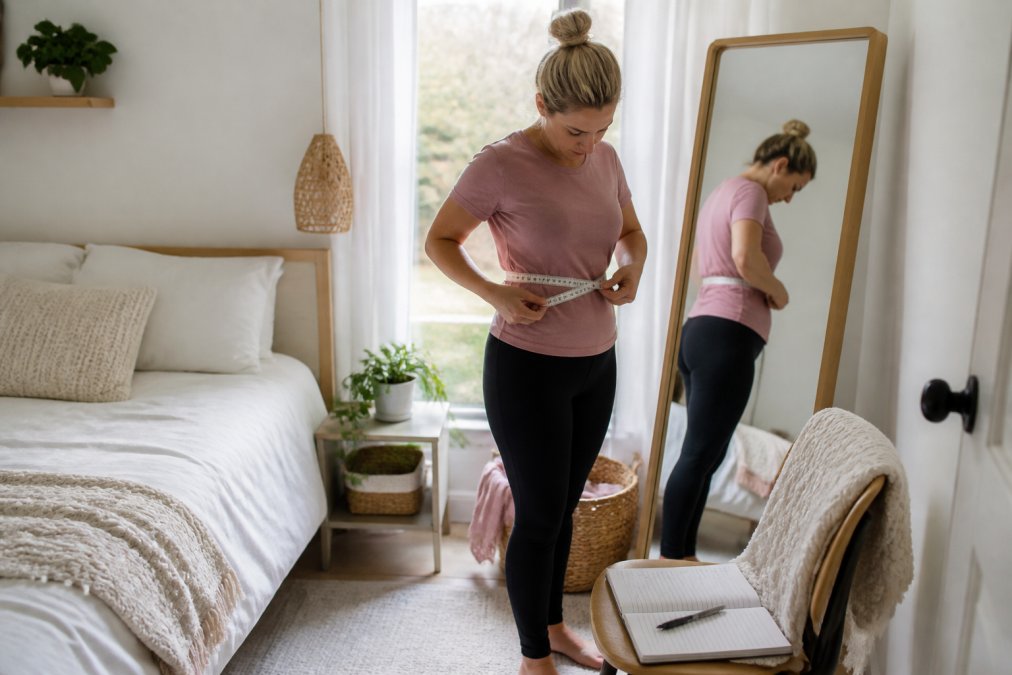
Learning how to find inclusive clothing sizes starts with one number: your own. A soft measuring tape, a full-length mirror, and a notebook are all you need. Take your measurements over light clothing, keep the tape snug but not tight, and write everything down.
This guide walks you through six steps, from measuring to reading size charts to spotting brands that truly carry your size.
How to Measure Body for Clothing: Bust, Waist, and Hip
Stand tall and breathe normally. For your bust, wrap the tape around the fullest part of your chest, keeping it level all the way around. For your waist, find the narrowest point above your belly button. For your hips, measure the fullest part of your seat.
Write each number down in inches. Then measure again to check. A second reading catches most mistakes.
Why Hip Measurement and Waist Circumference Matter Most
Hip measurement and waist circumference decide fit more than any other number. Tops can stretch. Bottoms cannot.
A common mistake is measuring over bulky clothes or pulling the tape tight. That adds or removes inches you'll feel later. In practice, your hip and waist numbers are the two you should trust first when a size chart looks confusing.
Step 2: How to Read a Clothing Size Chart Without Guessing
Reading a size chart well means matching your own measurements to the chart's numbers, not picking the size you wear at another store. Every brand builds its own chart. Treat each one as new.
Straight Sizes vs. Extended Sizing: What the Numbers Actually Mean
Straight sizes usually run from 0 to 14 or 16. Extended sizing picks up where those stop, often 16 to 28 or beyond. Some brands use numbers. Others use 1X, 2X, 3X.
The labels matter less than the measurements behind them. A size 18 in one chart can match a size 16 in another.
Fit Consistency and Pattern Grading: Why One Brand's 14 Is Another's 12
Pattern grading is how a brand scales a sample size up or down into every other size. Grading rules differ by brand, so fit consistency varies. That's why one brand's 14 fits like another's 12.
Look for brands that publish fit notes, model measurements, and garment measurements for each size. That level of detail shows real fit testing.
Step 3: Understanding Vanity Sizing and How to Spot It
Vanity sizing is the practice of labeling a larger garment with a smaller number so shoppers feel good and buy more. It's why a size 8 from a decade ago may now be labeled a 4. But the more useful question isn't what vanity sizing is, it's how to tell when a brand is doing it, so you can stop trusting the number on the tag.
The Vanity Sizing Trap: Why Size Labels Are Not Standardized
No federal rule requires apparel brands to match a single national size chart, and the voluntary standards that once guided the industry have never been mandatory. That means a size 12 at one retailer can measure several inches differently from a size 12 at another. This is the trap: you grab your usual size, assume it will fit, and it doesn't.
A common pattern is that brands targeting younger shoppers grade smaller, while brands with older or more traditional customer bases grade larger.
How to Detect Vanity Sizing Before You Buy
- Compare the chart to your measurements, not to your usual size. If a brand's size 10 bust measures 38 inches and another brand's size 10 bust measures 34 inches, one of them is grading generously. Your tape measure is the tiebreaker.
- Look at the gap between sizes. If the jump from size 8 to size 10 is only one inch at the waist, the brand is compressing its range, a sign of vanity grading. A typical graded jump is closer to two inches at the waist and hips.
- Check the smallest size offered. Brands that start at 00 or XXXS are often grading down to flatter shoppers who want a smaller number, not grading up to fit real bodies.
- Read the model notes. If a model is 5'9" and wearing a size 2, and the garment measures 34 inches at the bust, the chart is running small, not the model.
Why This Matters More for Inclusive Sizes
Step 4: How to Identify Truly Inclusive Clothing Sizes in a Brand's Inventory
A brand is truly size-inclusive when its full size range is in stock, not just listed. Check what's actually available before you fall in love with a piece.
Check the Size Range, Not Just the Drop-Down Menu
Look for Detailed Measurement Guides and Fit Testing Notes
Signs of a size-friendly brand:
- Garment measurements listed for every size
- Model heights and the sizes they're wearing
- Notes on how a piece runs (small, true to size, or large)
- Photos on different body types
Step 5: Navigate Return Policies and Fit Testing Before You Buy
Order with a plan to return. Read the return window, who pays shipping, and whether sale items are final. A generous return policy is a sign a brand expects you to try things on.
The best return policy is the one you read before you buy, not after something doesn't fit.
Step 6: Sustainable vs. Inclusive: What to Prioritize When Shopping
Most size-inclusivity guides treat sustainability as a separate aisle, either you shop ethical brands or you shop extended sizes, never both. That framing is outdated, and it's also the reason so many inclusive shoppers feel stuck choosing between fit and values. The real question isn't which to prioritize. It's how to read a brand's claims on both fronts at once.
Why the Two Are Usually Treated as Separate
What to Look For When You Want Both
- Size range stated up front, not buried. A brand that leads with its full range, say, XS through 5X, is signaling that inclusive fit is core to its model, not a bolt-on.
- Fabric content listed per style. Natural fibers like cotton, linen, and wool are a starting point, but blends matter too. A cotton-modal blend can be more durable and use less water than pure cotton.
- Made-to-last construction cues. French seams, reinforced stress points, and generous seam allowances all mean a garment can be altered as your body changes, which is itself a form of sustainability.
- Transparent supply chain language. Look for named factories, certifications, or published wage information. Vague phrases like 'ethically made' without specifics are a yellow flag.
- Restock and repair programs. Brands that offer repairs or take back worn items are extending garment life, which is the single biggest lever in fashion sustainability.
If a brand is strong on size range but vague on materials, that's still a valid choice, just know you're prioritizing fit. If it's strong on materials but stops at XL, you're prioritizing ethics. Neither is wrong. What matters is that you're choosing on purpose, not by accident.
A Middle Path That Actually Works
Conclusion: Building a Wardrobe with Inclusive Clothing Sizes That Work for You
Getting fit right online takes a little work up front, but it pays off every time you get dressed. Measure yourself, read the chart, and check the real size range before you buy.
Frequently Asked Questions
What counts as inclusive sizing in the fashion industry?
Inclusive sizing typically refers to clothing ranges that extend beyond straight sizes (0-12) to include plus size and extended sizing, often up to 3X or 5X. Truly inclusive brands offer the same styles across all sizes, not a limited selection in larger sizes. They also provide detailed size charts, consistent fit testing, and garment construction that accommodates diverse body shapes. Look for size ranges that go beyond XL and include plus sizes as part of the core collection.
How can I tell if a brand offers truly inclusive clothing sizes?
Check the size range listed on the product page, not just the drop-down menu. If plus sizes are relegated to a separate section or only available in a few styles, that's a red flag. Look for detailed measurement guides, fit notes, and whether the brand uses consistent pattern grading across sizes. Read customer reviews from shoppers in larger sizes to gauge fit consistency. Brands that show body diversity in their photos and offer size-inclusive standards are more likely to be genuinely inclusive.
Why is it difficult to find consistent sizing across different clothing brands?
There are no universal standardized sizing laws in the U.S., so each brand develops its own size chart based on its target customer and fit model. Vanity sizing, where brands label larger garments with smaller numbers to flatter shoppers, adds to the confusion. Pattern grading also varies, meaning a size 14 at one brand may fit like a 12 or 16 at another. Always compare your measurements to the specific brand's size chart rather than relying on the number on the label.
What are the best tools for measuring your body accurately for online shopping?
A soft measuring tape is essential. Stand in front of a full-length mirror or ask someone to help. Measure your bust at the fullest point, your waist at the narrowest point (usually above the belly button), and your hips at the widest point. Write down each measurement in inches. Also note your torso length and inseam if you're buying dresses or pants. Keep these numbers saved on your phone so you can quickly compare them to any brand's size chart before ordering.